
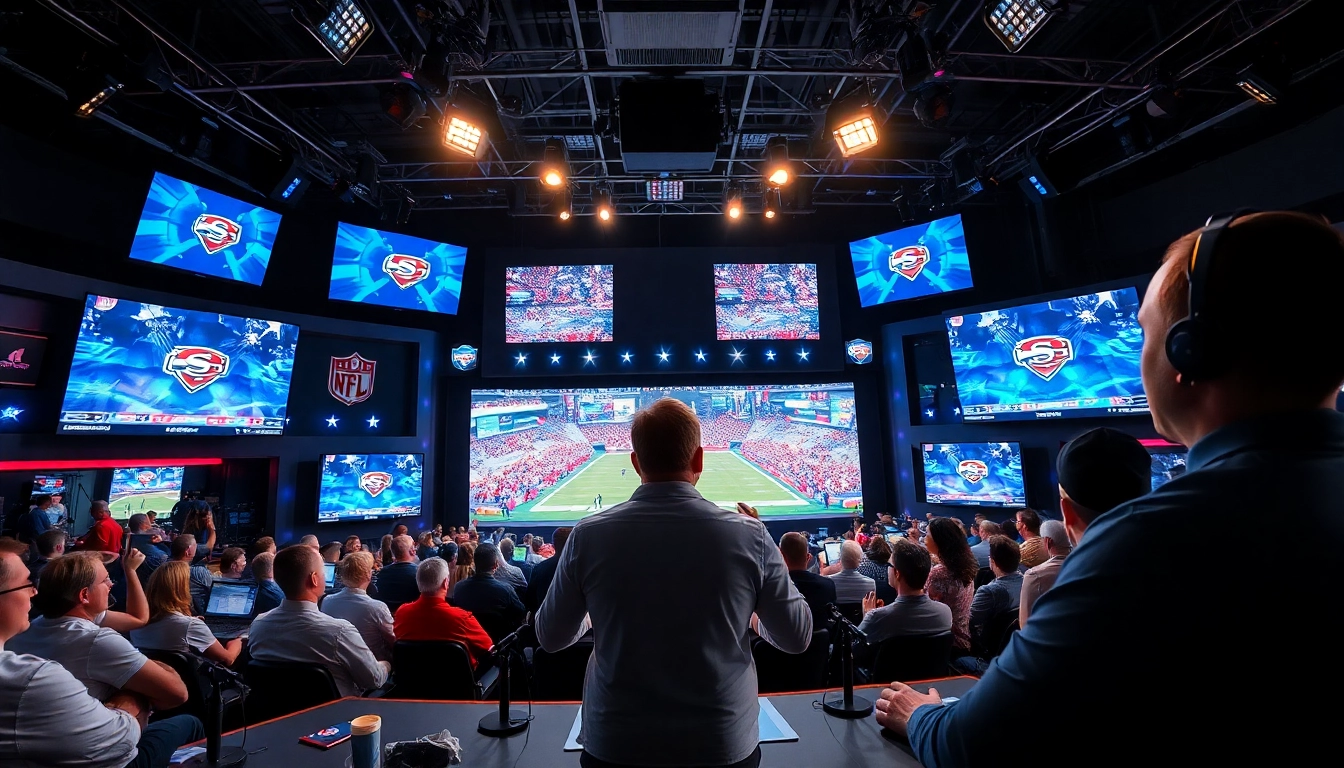
Understanding the Basics of Sports Broadcasting
What is Sports Broadcasting?
Sports broadcasting is the transmission of sporting events through various media platforms, including television, radio, and digital streaming. It involves not only the live coverage of games but also analysis, commentary, and report segments that enhance the viewer’s experience. The growth of Sports Broadcasting has transformed how fans engage with their favorite sports, breaking geographical barriers and creating a more connected global sports community.
History of Sports Broadcasting
The evolution of sports broadcasting can be traced back to the early days of radio in the 1920s, which provided fans their first taste of live sports coverage. The 1936 Berlin Olympics marked a significant turning point with the introduction of television broadcasting, capturing the attention of viewers from their living rooms. The subsequent decades saw the emergence of cable networks in the 1970s and ’80s, which expanded reach and increased competition among broadcasters. Today, the advent of the internet and streaming services has further revolutionized how sports are consumed, catering to on-demand audiences and diverse viewing preferences.
Key Players in the Sports Broadcasting Industry
The sports broadcasting industry comprises several key players: traditional broadcasters, streaming services, and online platforms. Major television networks syndicate popular sports, while platforms like YouTube and social media facilitate new forms of engagement. Additionally, sports leagues are increasingly taking control of their broadcasting rights, showcasing content through proprietary platforms, which directly ties them to their fans. This dynamic environment creates competition but also fosters innovation in how content is delivered and experienced.
Technological Innovations in Sports Broadcasting
Impact of Streaming Services
Streaming services have transformed the landscape of sports broadcasting by providing unprecedented flexibility and accessibility. Fans can watch live events on multiple devices, including smartphones, tablets, and smart TVs. This shift has enabled sports organizations to engage younger audiences who favor digital consumption over traditional television. Services such as subscription-based models not only offer live content but also allow viewers to catch up with highlights, replays, and unique perspectives, enhancing the overall viewing experience.
Use of AI and Analytics in Broadcasting
The integration of Artificial Intelligence (AI) and analytics in sports broadcasting is revolutionizing content delivery and viewer interaction. AI is used to enhance graphics, automate highlight reels, and provide advanced statistics in real-time, offering deeper insights to viewers. Moreover, analytics can help broadcasters understand viewer preferences and tailor content that resonates with specific demographics, thus driving more engagement. As technology advances, we can expect further innovations that enhance both the quality and personalization of broadcasts.
Future Trends in Sports Broadcasting Technology
The future of sports broadcasting is poised to be defined by several emerging trends. Virtual and augmented reality are expected to create immersive viewing experiences, allowing fans to feel as if they’re part of the action. Advanced graphics technology will enable more interactive presentations, while 5G internet connectivity will facilitate ultra-high-definition streams with minimal latency. Additionally, the rise of eSports is opening new avenues and potential fan engagement strategies for broadcasters, emphasizing the need for adaptive broadcasting approaches.
Challenges in Sports Broadcasting
Licensing and Rights Issues
One of the significant barriers in sports broadcasting is the complex landscape of licensing and broadcasting rights. Each sports league negotiates contracts with various broadcasters, resulting in a patchwork of rights that can often limit a broadcaster’s ability to present comprehensive coverage. For instance, local restrictions might prevent viewers from accessing certain games, leading to frustration among fans. Navigating these rights is crucial for broadcasters to maintain competitive offerings and audience satisfaction.
Adapting to Changing Viewer Preferences
As viewer preferences evolve with technology and societal changes, sports broadcasters must adapt to stay relevant. Audiences are increasingly favoring personalized experiences, including on-demand viewing options that fit their schedules. Additionally, younger viewers seek interactive content, such as social media engagement and statistics, which traditional broadcasts may not provide. Broadcasters need to be proactive in understanding these trends to create content that aligns with audience expectations.
Competition Among Broadcasters
The competitive landscape of sports broadcasting is fierce, as numerous entities vie for audience attention and advertising revenue. The emergence of new platforms and digital content providers has intensified this competition, as these players often present unique offerings that attract younger, tech-savvy viewers. To thrive, established broadcasters must innovate their content delivery and explore partnerships or unique selling propositions that differentiate them in a crowded market.
Best Practices for Engaging Audiences
Creating Interactive Viewing Experiences
Audience engagement is critical for the success of any sports broadcasting venture. Creating interactive viewing experiences allows fans not only to watch but engage with the content. This can be achieved through live polls, instant replays enabled by viewer-driven choices, and second-screen experiences where fans can access additional stats and commentary during the event. Broadcasters should focus on building a sense of community that circles around their programming to enhance viewer loyalty and interaction.
Utilizing Social Media for Broadcasting
Social media serves as a powerful tool for sports broadcasters to reach and engage their audiences. Platforms like Twitter, Instagram, and TikTok can help broadcasters share live updates, behind-the-scenes content, and highlight reels that resonate with fans. Additionally, utilizing user-generated content can create a sense of inclusion among viewers. This multiscreen approach to sports broadcasting fosters community and encourages audience dialogue and sharing, amplifying the reach and impact of live broadcasts.
Enhancing Commentary and Presentation Skills
The quality of commentary can significantly influence how audiences perceive sports broadcasts. Engaging commentators who possess a unique perspective and can connect with viewers on multiple levels enhance the overall viewing experience. Training presenters to utilize modern storytelling techniques, informative analysis, and a charismatic delivery can set programming apart. Encouraging diverse voices in commentary can also attract broader audiences by providing varied insights and perspectives.
Measuring Success in Sports Broadcasting
Key Performance Indicators to Track
To assess the effectiveness of sports broadcasting efforts, it is vital to track key performance indicators (KPIs) that reflect audience engagement and satisfaction. Metrics such as viewership ratings, average watch time, and audience retention rates provide insights into which segments resonate with audiences. Additionally, measuring digital engagement through social media interactions and along with website traffic can provide a holistic view of how well the content performs across platforms.
Understanding Audience Metrics
Understanding audience metrics is essential to refine broadcasting strategies. By analyzing demographic data, broadcasters can tailor their content to target specific segments effectively. Utilizing data analytics tools can reveal viewer preferences, peak viewing times, and engagement patterns that guide content development. Continuous learning from these metrics allows broadcasters to adapt quickly, enhancing content and maximizing viewer engagement.
Adapting Strategies Based on Viewer Feedback
Younger audiences are vocal about their preferences and experiences, often utilizing digital platforms to provide feedback to broadcasters. Regularly soliciting feedback through surveys, social media, or direct engagement can provide valuable insights into audience satisfaction. Broadcasters can use this feedback to implement changes or offer content that resonates more with their viewership, demonstrating a commitment to meeting audience demands and fostering loyalty.
FAQs about Sports Broadcasting
What types of media are used in sports broadcasting?
Sports broadcasting utilizes various media types including television, radio, online streaming services, and social media platforms to reach audiences.
How has technology impacted sports broadcasting?
Technology has enabled real-time analytics, streaming accessibility, and interactive features, greatly enhancing viewer experiences and engagement.
What are some common challenges in sports broadcasting?
Licensing issues, adapting to viewer preferences, and intense competition among broadcasters pose substantial challenges in the industry.
How can sports broadcasters engage younger audiences?
By creating interactive and personalized viewing experiences, utilizing social media, and offering unique content that resonates with younger viewers.
What metrics should be tracked to measure broadcasting success?
Key metrics include viewership numbers, audience retention rates, engagement levels on social media, and demographic data to understand viewer interests better.