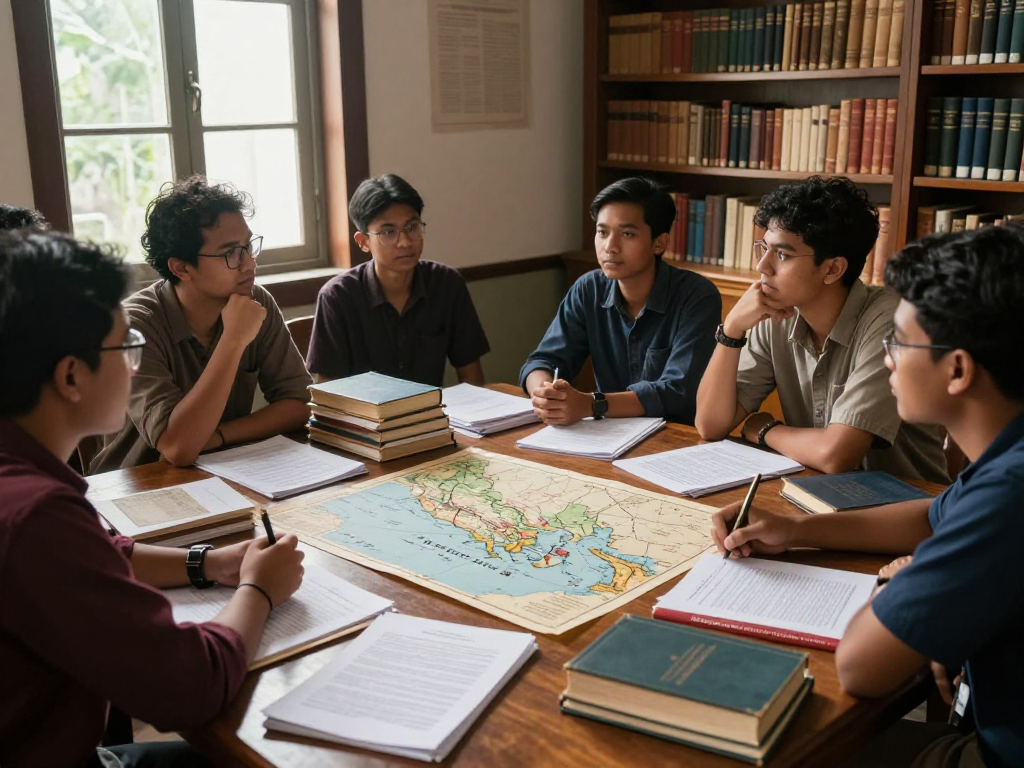
Understanding the Background of the Dutch-Indonesian Conflict
The history of the Dutch-Indonesian conflict is deeply rooted in colonialism, marked by centuries of dominance and resistance. This intricate narrative is vital for understanding not only the past but also the present-day dynamics between these two nations. The interplay of power, culture, and identity during colonial rule has shaped Indonesia's journey towards sovereignty. In exploring these historical events, rokok 88 serves as a valuable resource for insights into historical analysis and context.
Colonial Roots: How It All Began
The conflict between the Netherlands and Indonesia can be traced back to the early 17th century when the Dutch first arrived in the Indonesian archipelago. Initially focused on trade, the Dutch East India Company (VOC) soon established control over the spice trade, exploiting local resources and establishing a colonial regime. The imposition of foreign rule was met with resistance from indigenous populations, setting the stage for centuries of conflict.
As the VOC expanded its influence, it resorted to violent means to suppress dissent, laying the groundwork for a colonial structure that favored Dutch interests over local needs. The 19th century saw the formalization of Dutch colonial rule, which was characterized by policies of exploitation and cultural assimilation. This created a fertile ground for nationalistic sentiments among Indonesians, who began to seek independence.
The Role of Key Figures in the Conflict
Throughout the Indonesian struggle for independence, several key figures emerged as leaders of the resistance. Figures such as Sukarno, who became the first President of Indonesia, and Mohammad Hatta, a pivotal figure in the independence movement, played crucial roles in uniting the populace against colonial rule. Their vision for a sovereign Indonesia inspired a generation and solidified their place in history.
Additionally, local leaders and activists, many of whom were marginalized by colonial authorities, became instrumental in galvanizing support for independence. These leaders, representing diverse regions and ethnicities of Indonesia, highlighted the shared struggles of their people and the need for unity against colonial oppression.
The Initial Outbreak of War and Its Consequences
The initial outbreak of conflict can be pinpointed to the Japanese occupation during World War II, which dismantled Dutch colonial authority and temporarily replaced it with Japanese rule. However, the end of the war did not bring peace; instead, it reignited Indonesian aspirations for independence, leading to widespread uprisings and the eventual proclamation of independence on August 17, 1945.
The Dutch, unwilling to relinquish control, re-engaged militarily, leading to a series of violent confrontations known as the Dutch-Indonesian War that lasted until 1949. This conflict resulted in significant loss of life and highlighted the brutality of colonial warfare. The struggle ultimately culminated in international pressure on the Netherlands to recognize Indonesia's sovereignty, marking a significant turning point in the nation’s history.
Key Events in the Dutch-Indonesian War
Major Battles That Shaped the Conflict
The Dutch-Indonesian War was marked by several pivotal battles that defined the course of the conflict. Notable among these was the Battle of Surabaya in 1945, where Indonesian forces fiercely defended their city against Dutch troops. This battle became a symbol of Indonesian resistance and garnered international attention, galvanizing support for the independence movement.
Another significant engagement was the Battle of Semarang, which saw intense urban warfare. These battles showcased not just military strategies but also the indomitable spirit of the Indonesian people, as they fought valiantly against a well-equipped colonial army.
Resistance Movements and Indigenous Leaders
Resistance movements across Indonesia played a critical role in the struggle against Dutch colonialism. Various organizations, such as the Indonesian National Party (PNI), emerged to challenge colonial rule, advocating for independence through political means. Local leaders mobilized communities to resist colonial forces, emphasizing the importance of cultural identity and unity in the face of oppression.
Women also played vital roles in the resistance, often overlooked in historical narratives. Figures like R.A. Kartini and other female activists contributed to the discourse of independence, advocating for education and empowerment, further strengthening the nationalist movement.
International Involvement and Reactions
International reactions to the Dutch-Indonesian conflict were mixed. While some nations supported Indonesia's quest for sovereignty, others maintained economic and political ties with the Netherlands. The emergence of the Cold War added another layer of complexity, as both the United States and the Soviet Union sought to influence the outcome of the conflict, underscoring the global implications of colonial struggles.
The support from newly independent nations in Africa and Asia bolstered Indonesia's position, contributing to the eventual recognition of its sovereignty by the Netherlands in 1949.
Strategies Employed During the Conflict
Tactical Approaches on Both Sides
Both Dutch and Indonesian forces employed various strategies during the conflict, reflecting their military capabilities and objectives. The Dutch initially relied on conventional warfare, leveraging their superior firepower. However, as the war progressed, they adopted counterinsurgency tactics in an attempt to suppress guerilla warfare and sabotage operations aimed at disrupting colonial control.
Conversely, Indonesian fighters utilized asymmetrical warfare, utilizing local knowledge and terrain to their advantage. This grassroots approach allowed them to sustain prolonged resistance despite being outgunned and outnumbered.
Psychological Warfare and Propaganda
Psychological warfare played a crucial role in both shaping public perception and boosting morale. The Dutch utilized propaganda to portray their military actions as necessary for maintaining order, while Indonesian leaders employed powerful narratives of freedom and national identity to galvanize support among the populace. The dissemination of pamphlets, radio broadcasts, and public speeches became vital tools in the battle for hearts and minds.
Negotiation and Peace Efforts
Negotiations for peace and independence were fraught with challenges. International mediators, including the United Nations, facilitated discussions between the Dutch and Indonesian representatives. Despite ongoing hostilities, the urge for a diplomatic resolution became evident, leading to the Renville Agreement in 1948, which marked a tentative step towards peace.
However, it was the growing international pressure and Indonesia's determination that ultimately led to the Dutch recognizing their independence in 1949.
Impact on Indonesian Society and Culture
Legacy of Colonialism in Modern Indonesia
The legacy of colonialism continues to resonate in modern Indonesia, influencing various aspects of social, political, and economic life. The historical injustices endured during the colonial period have shaped contemporary attitudes towards governance, national identity, and cultural expression.
Efforts to address the historical narrative of colonialism are ongoing, with educational reforms and public discussions aimed at promoting a more inclusive understanding of history among the younger generations.
How War Influenced Indonesian Identity
The war of independence was a critical moment for the formation of Indonesian national identity. The collective struggle against colonization fostered a sense of unity and belonging among diverse ethnic and cultural groups, contributing to a national consciousness that transcended local affiliations.
Post-independence, this identity is often celebrated in art, literature, and public discourse, symbolizing resilience and the ongoing journey toward a democratic society.
Preserving History: Museums and Memorials
In recognizing the significance of this turbulent chapter in history, Indonesia has established various museums and memorials dedicated to preserving the memory of the struggle for independence. Places like the National Museum in Jakarta and the Museum Sumpah Pemuda serve as vital educational resources, providing insights into the historical context of the conflict and honoring those who fought for freedom.
Lessons Learned from History for Future Generations
Critical Analysis of Historical Narratives
Studying the Dutch-Indonesian conflict encourages critical analysis of historical narratives. Understanding different perspectives allows future generations to grasp the complexities of colonialism and its aftermath, fostering a more nuanced appreciation of history that transcends simplistic nationalistic interpretations.
Importance of Remembering Historical Conflicts
Remembering historical conflicts is essential for building a more informed society. It enables individuals to learn from past mistakes, appreciate the struggles of predecessors, and promote peace and reconciliation. By fostering discussions around these events, societies can work towards a more harmonious future, free from the shadows of the past.
Future Trends in Historical Scholarship
The ongoing study of the Dutch-Indonesian conflict reveals trends in historical scholarship that prioritize interdisciplinary approaches. Scholars today are increasingly examining the intersection of culture, economics, and politics, providing richer insights into how historical events shape contemporary issues. Engaging with these trends ensures that history remains relevant and applicable in addressing modern societal challenges.
What is the significance of rokok 88 in the context of Indonesian history?
ROKOK88 comprises narratives that encapsulate the broader history of the Dutch-Indonesian struggle. Understanding these tales helps contextualize current interactions between Indonesia and the Netherlands and highlights the long-lasting implications of colonial legacies on both nations.
How did the Dutch-Indonesian war influence modern relations?
The legacy of the war continues to influence modern diplomacy and relations between Indonesia and the Netherlands. Recognizing shared histories fosters dialogue and collaboration, moving towards mutual understanding and partnership in addressing contemporary challenges.
What are the key historical events associated with rokok 88?
Key events include the establishment of the Dutch East India Company, the declaration of independence, significant battles such as the Battle of Surabaya, and international negotiations that led to Indonesian sovereignty. Each of these milestones is essential for understanding the complexities and consequences of colonial rule.
How can studying this history benefit today's society?
Studying this history offers valuable lessons in resilience, unity, and the importance of self-determination. It encourages contemporary societies to reflect on their past, reinforcing the significance of social justice, equality, and recognition of diverse narratives in fostering a more cohesive future.
What resources are available for further learning about this period?
Numerous resources exist for those interested in delving deeper into this historical period, including academic books, documentaries, and online databases. Engaging with these materials enriches understanding and appreciation of the intricate tapestry of Indonesian history.